April 7, 2026
Event Preparation Guide: 11 Steps for a Successful Event
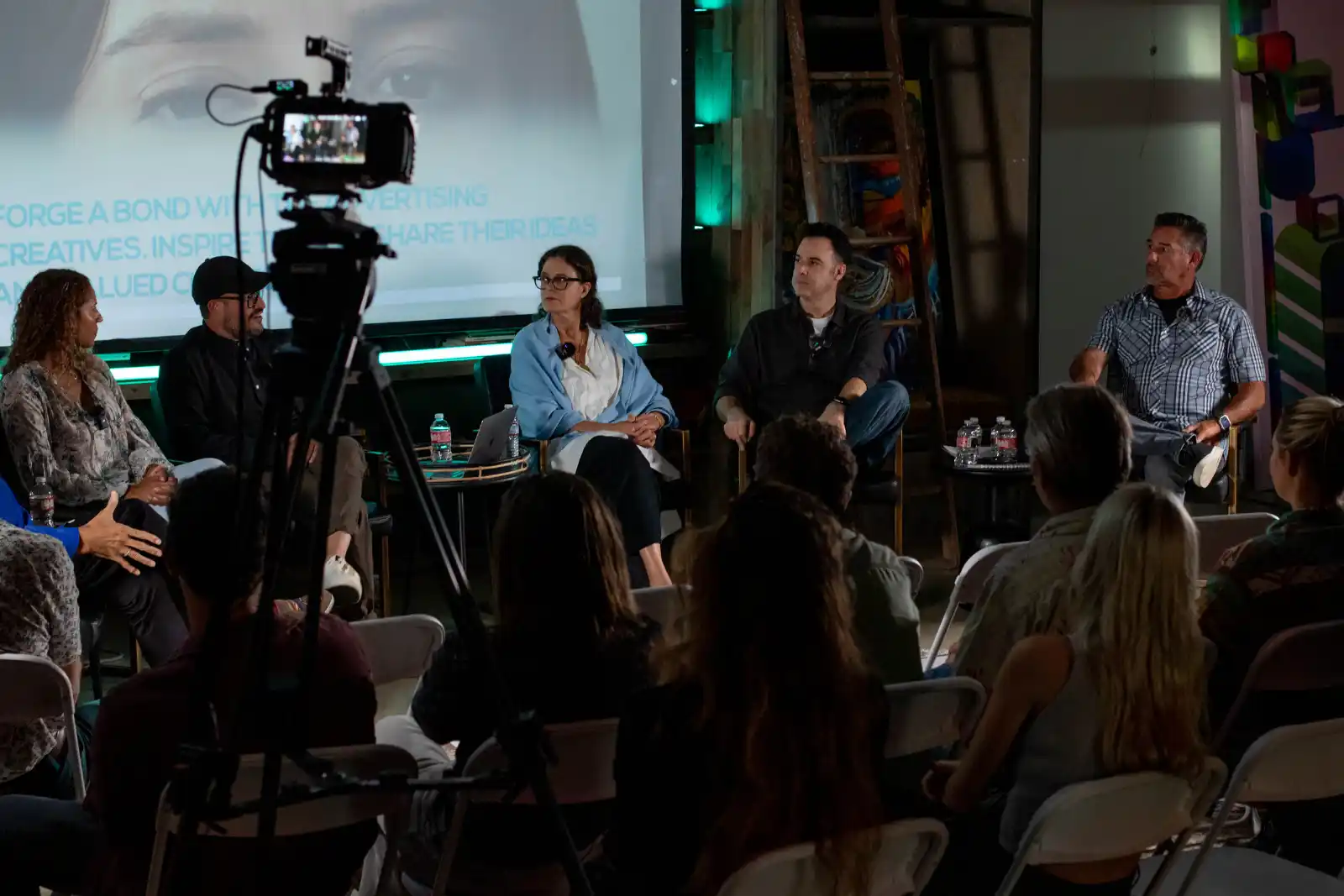
While organizing an event is one of the best ways to create a memorable experience, it can get complicated very quickly. Whether it is a wedding, product launch, fundraiser, or networking event, it requires careful planning and a detailed strategy to run smoothly.
The Unita Club team prepared this 11-step event preparation guide to help individuals, brands, and companies organize memorable and effective events.
Event Preparation Guide
1. Define the Purpose of the Event
Identifying what you want to achieve with this event must be the first thing that one should do. Consider setting clear objectives such as attracting a specific number of attendees or generating an average number of leads.
Before starting any planning process, ask the following questions:
- Why is the event being organized?
- What outcome is expected?
- Who is the target audience?
This will likely be the most crucial stage because answers to these questions will determine the next steps. For example, the needs of a product launch will radically differ from those of a networking event.
2. Determine the Target Audience
Now that you have a clear idea of your goal with this event, it’s time to determine who the event is for. The more precise you get, the more successful your event will be. If you are wondering about how to proceed with this, there are numerous factors that can help it to narrow it down, such as the average age, gender, lifestyle, interests, and habits.
For instance, if the target audience is likely to consist of entrepreneurs and professionals, it should include spaces for presentations and discussions, or if one is planning an event for a global audience, it will need to feature multilingual options.
3. Set the Event Budget
Preparing a realistic and well-defined financial plan can help one to stay organized, control costs, and avoid last-minute stress. In order to do so, there are several key factors that one should keep in mind such as venue costs, catering, promotion, equipment, and logistics.
It is true that this may sound a little daunting. However, there are tools such as event planning software or spreadsheets that can help with this. It is also recommended to have a bit of budget flexibility just to be safe from unexpected costs.
4. Choose the Right Venue
Based on the results of the first three steps, it is time to proceed to venue selection. As expected, there are once again multiple factors that influence the entire experience such as accessibility, capacity, atmosphere, or technical infrastructure.
One of the best ways to ensure that you are going with the right space is to conduct site visits. Furthermore, you can use a checklist, take photos, and inquire about restrictions. It is not possible to overstate that choosing the right venue that matches the event’s scale and vibe is essential.
5. Select the Event Date and Schedule
Timing can impact attendance significantly. Rather than basing it solely on availability, it is recommended to select a strategic date that does not clash with competing events and considers audience availability. Aside from these, also consider holidays and seasonal factors, specifically if you are considering open-air event venues.
In addition to the event date, preparing a detailed schedule can go a long way. Consider starting with a planning timeline from your event date and set deadlines, team assignments, and promotion launch dates. Just like in the third step, it is recommended to use simple project tracking tools to help with the planning.
6. Create the Event Concept
Let’s go back to the first step where the goal of the event is decided. Now, consider how this can be translated into the atmosphere and the type of experience you want to create. Then, establish a consistent tone and identify the main points of the experience.
For example, if it is a wellness event, there should be a calm and restorative atmosphere, and it should include yoga or meditation sessions, soft lighting, and relaxing music. If it’s a brand launch, there should be installations, photo opportunities, and social media interaction to engage the audience with the brand.
7. Plan Logistics and Equipment
One must work with partners that align with the event’s goals and ensure everything runs as planned, from AV technicians to caterers, and it must be ensured that all operational needs are covered. When choosing these partners, check for experience with similar event types, flexibility, insurance, and compliance documentation.
After deciding who to work with, make sure that all the details are written down, such as seating arrangements, setup times, cancellation rules, and payment terms. Also, hold regular meetings to review all the details and ensure that everything goes smoothly.
8. Promote the Event
Once again, this step necessitates a strategy based on the audience. Marketing should be planned in a way that it reaches the right people at the right time. There are many ways to build visibility such as email marketing campaigns, social media content tailored to each platform, paid ads on platforms that the target audience spends time on, or partnerships.
The communication strategy should maintain the same tone and aesthetic as the event. There are certain types of content that can be used with a wide range of event types such as teasers or event videos. However, getting more specific can also prove to be more effective. For example, close-ups of the product can be posted for launch events.
9. Manage Guest Registration and Experience
Choose a registration method based on the type of the event. This can include online registration forms, dedicated ticketing platforms, or invitation-only guest lists. After collecting essential information through these, plan the check-in process. Will it be done with a QR code, a printed guest list at the entrance, or directly on-site at a registration desk?
The experience starts when people first hear about the event. Therefore, ensure that there is clear pre-event communication, check-in, welcome, and help guests navigate the space. Last but not least, do not neglect sending reminders to attendees, as these will help attendees feel prepared and boost anticipation.
10. Prepare the Event Flow
Preparing the event flow starting from the event’s start time is a common mistake. Instead, it should start from the point where vendors arrive and load in. Also, have a clear running order with contingency plans for delays or tech issues.
Aside from having a run sheet including the timeline, responsibilities of staff members, and contact details for key personnel, you should map out physical logistics. These include signage placement, crowd control, queue systems, check-in/registration areas, first aid stations, and emergency exits.
11. Evaluate and Follow Up
Following up with attendees is essential to leave a positive final impression. You can send personalized thank you messages, surveys for feedback, or polls. While generally it is expected to evaluate the event after it ends, it can also be conducted through polls and surveys during the event. Also, hold a meeting with the team to discuss the event’s outcomes and identify strengths and areas for improvement.
After the relevant data is collected, measure key metrics such as attendee engagement and ROI. A thorough analysis can support better decision-making for future events. Last but not least, do not neglect sharing recap photos and videos to maintain the relationship with the audience.
Why Event Planning Matters
Regardless of its scale, it is impossible to organize a great event without a proper strategy. Therefore, make sure to have a structured planning timeline to ensure a well-coordinated event that meets, or even exceeds your goals.
With each successful event, organizations can build community, strengthen brand visibility, create networking opportunities, and deliver memorable experiences that resonate with attendees. If you are in the process of planning the next great event, do not hesitate to contact us.

