October 28, 2026
6 Things to Consider When Choosing an Office Space
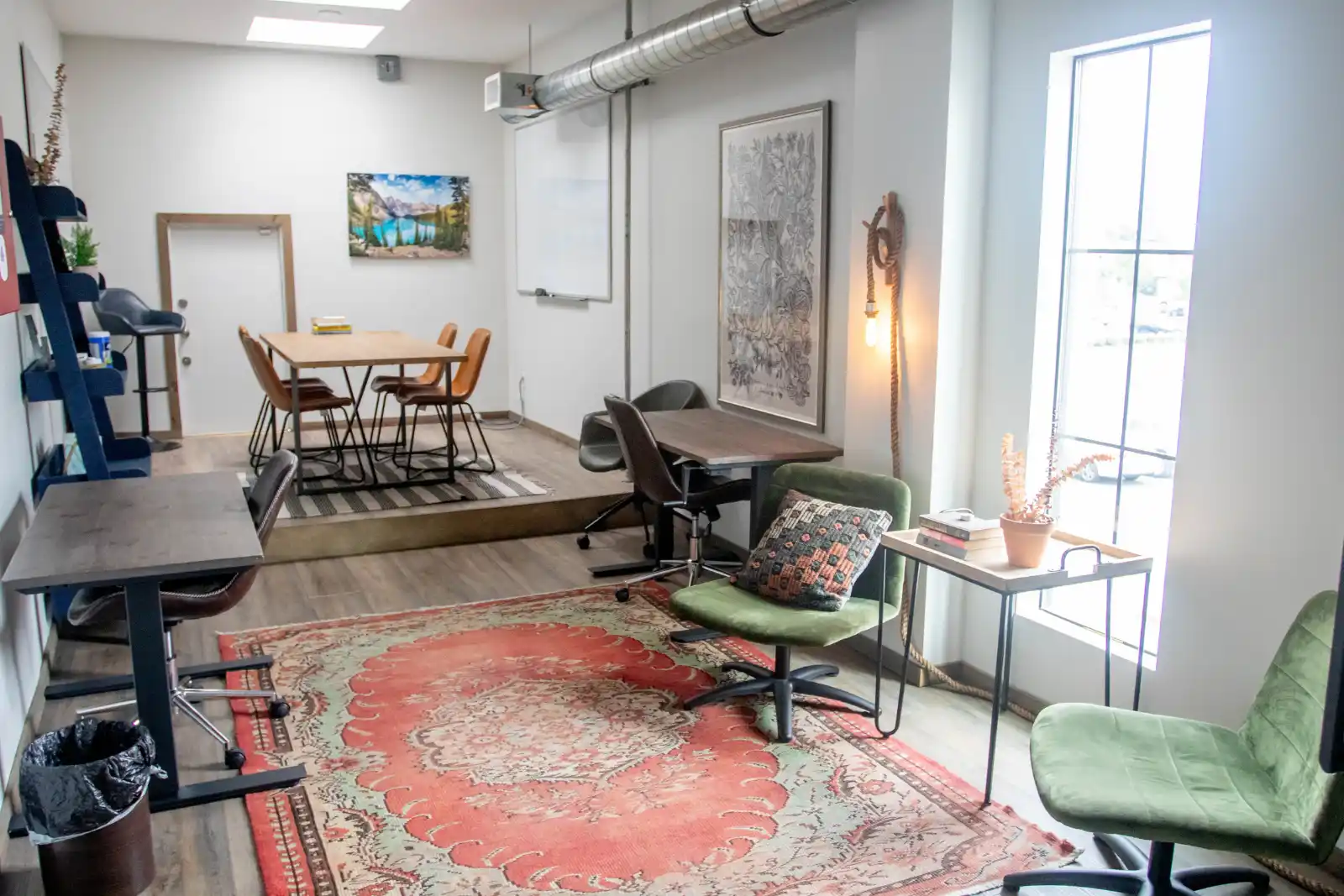
An office space is one of the most important factors to be considered when building a business. Company workers need to work in a comfortable and functional environment in order to feel fulfilled and motivated. In order to choose the right office space in 2026, businesses should research the options well.
The wrong choice for an office space can affect a company’s productivity, company culture and clients’ first impressions. Because of this, companies shouldn’t be rushing when making a choice about their office space.
In this blog post, we’ll be detailing why choosing the right office space is important, the 6 things to consider when choosing an office space like office location and accessibility, office rental costs and budget, office size and layout, flexibility and scalability, office facilities and technology, employee experience and work environment, what type of an office space is best for each business, office space types like traditional office, serviced office, coworking space, private office, how much office space each business needs, and more.
Why Is Choosing the Right Office Space Important?
Choosing the right office space is important since it impacts company workers, the business itself and daily operations directly. Employee satisfaction, business success, and the lowering of turnover rates can be reached by choosing a great office space.
An office space that’s poorly chosen can affect productivity and hurt the business financially. While thinking of choosing a new office space, businesses should be thinking about financial weight, scalability, amenities, the location, and the workers’ overall satisfaction.
What Are the 6 Things to Consider When Choosing an Office Space?
The 6 things to consider when choosing an office space are office location and accessibility, rental costs and budget, office size and layout, flexibility and scalability, office facilities and technology, employee experience and work environment.
1. Office Location and Accessibility
The office location of a company shapes the daily experience of company workers and the perception of the company’s brand. Selecting the best office location means thinking of factors like proximity to public transportation and accessibility. Also, the business must ensure accessibility for clients and visitors as well, which includes having parking and amenities like cafes.
2. Office Rental Costs and Budget
The office rental costs should be a big concern for businesses for renting. A realistic office space budget is needed to protect the business’ finances. The baseline monthly rental or membership fees can also be accompanied by last minute expenses that can add up over the lease term. Large deposits and upfront expenses, as well as ongoing utilities and maintenance need to be added to the overall cost of the office. Hidden additional service charges that could inflate the office expenses should be taken into account as well.
3. Office Size and Layout
The business should determine their office space requirements by thinking of the current number of employees and their daily operational routines. A well-designed office layout gives people adequate desk and meeting room space as well as strategically placed private and collaborative work areas. Businesses should make sure that their employees have enough space to feel comfortable during their work hours.
4. Flexibility and Scalability
A flexible office space will ensure that the business can provide their employees more space when needed. Scalable office solutions are needed for the ability to accommodate growing teams without needing to relocate. The office space plan should be able to be changed according to what the business needs.
5. Office Facilities and Technology
Modern businesses need well-designed office facilities and technology to function properly. Businesses should work with office spaces that provide reliable high-speed internet along with fully equipped meeting and conference rooms. Physical comfort is also really critical, things like sufficient heating, cooling, and ventilation systems are needed. The office space's security and building access protocols should be asked about beforehand.
6. Employee Experience and Work Environment
A productive office space needs to feature a positive, healthy employee experience. An optimal office work environment should have enough natural light and ventilation. Office spaces also need to manage noise levels and privacy. Investing in ergonomic furniture is recommended to promote physical health. Well-designed and inviting common areas help a lot when creating a welcoming overall workplace atmosphere.
What Type of Office Space Is Best for Your Business?
There are several types of office spaces that can cover different needs of many businesses. These office space types are traditional offices, serviced offices, coworking spaces and private offices. Businesses can choose between these types depending on their business needs and scales.
Traditional Office
A traditional lease provides complete control over your environment. This model is great for businesses with a stable headcount, strict data security requirements, heavy client traffic that requires branded headquarters. Traditional leases lock companies into contracts that may go on for 3-10 years. They also require significant upfront investments for build-outs, furniture, and IT infrastructure, with ongoing administrative overhead for maintenance and utilities.
Serviced Office
A serviced office is stricter than coworking spaces but more flexible than traditional offices. It provides a fully furnished, private workspace. The operator handles reception, cleaning, internet connectivity, and facility maintenance. This helps businesses save on the heavy setup time and capital expenditure of a traditional lease while offering more privacy than open coworking floors.
Coworking Space
Coworking spaces are a highly shared, dynamic environment that helps newer businesses. Memberships are typically month-to-month and all-inclusive. Coworking space memberships cover high-speed internet, utilities, printing, and communal kitchens. This environment helps with organic networking and is well-suited for freelancers, startups, remote teams. The trade-offs may be a lot. These include higher background noise, limited privacy for sensitive conversations, competition for shared meeting rooms, and an inability to customize the space to reflect the business’ brand.
Private Office
A private office within a larger flexible workspace or coworking facility is another option. It provides a dedicated, lockable room for the business’ team. The private office can still use shared amenities like lounges and event spaces.
How Much Office Space Do You Need?
Determining how much office space a business needs requires thinking of factors specific to the workforce's daily habits. Modern office space for hybrid-enabled companies typically target 130 to 150 square feet per person. Density and desk benchmarks, hybrid attendance and sharing ratios, meeting and collaboration needs, future growth buffers need to be considered when choosing an office space.
● Density and Desk Benchmarks: Space requirements vary drastically based on the role and layout. Standard open workstations generally require 60 to 110 square feet per person. Small private offices require 90 to 150 square feet. Executive suites or legal offices often require upwards of 250 square feet.
● Hybrid Attendance and Sharing Ratios: The daily attendance patterns of the team dictate the required footprint. Full-time, in-office teams generally see 60% to 80% daily attendance, whereas hybrid teams may only average 40% to 60% presence. Planning must be completed accordingly.
● Meeting and Collaboration Needs: The shift toward remote work means the physical office is increasingly used for collaboration rather than solo focused tasks. Meeting rooms and their usage frequency should be considered. A standard conference room requires roughly 15 to 30 square feet per seated attendee.
● Future Growth Buffers: Always calculating the total headcount requirement and then adding a 10% to 20% growth buffer is really important. This prevents needing to look for another space for extra desks before the contract with the coworking space is fulfilled.

